
Blog
How to Grow and Maintain a Healthy, Shiny Lawn in the UAE

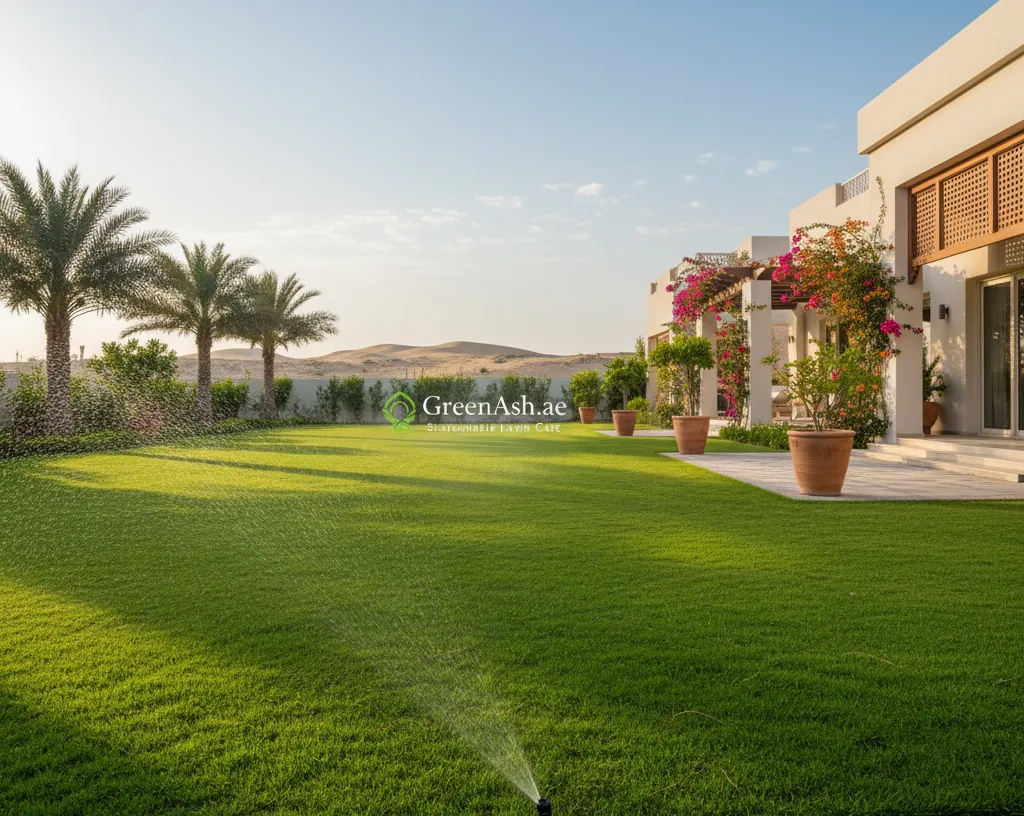
(For villa gardens, commercial lawns and landscaping across Dubai & Emirates)
Introduction
A lush, green lawn is every UAE homeowner’s dream — a sign of care, comfort, and environmental balance. But maintaining grass in Dubai, Abu Dhabi, or Sharjah’s climate isn’t easy. High temperatures, saline water, and sandy soils often make lawns look dry and patchy.
The good news? With the right grass seeds, fertilizers, and care products — all available at GreenAsh.ae — you can grow a vibrant, shiny, and sustainable lawn year-round.
This complete guide covers everything you need to know about grass health issues in the UAE, the best grass varieties, essential lawn products, and step-by-step care tips tailored for local conditions.
1. Understanding Grass Health Problems in the UAE
1.1. Heat and Water Stress
UAE summers can exceed 45°C. Intense heat and low humidity cause water to evaporate before reaching the roots, leaving your lawn dehydrated. Overwatering, on the other hand, can suffocate roots and invite fungal infections.
Solution:
Install an irrigation and watering system that allows slow, deep watering early in the morning. Products like hose reels and automatic sprinklers ensure even coverage and efficient water use, aligning with Dubai Municipality water-saving guidelines.
1.2. Soil Salinity and Nutrient Deficiency
Coastal air and desalinated water often lead to high soil salinity — one of the biggest causes of brown patches and poor grass health.
Solution:
Use organic soil conditioners such as Brown’s Fish Hydrolysate or COSMOCEL H-85 Humic and Fulvic Acid to improve soil texture and nutrient absorption.
1.3. Pest and Fungal Infestation
Hot and humid conditions attract pests like armyworms, grubs, and mites, while fungi thrive in overwatered lawns.
Solution:
Apply targeted products from GreenAsh’s insecticides and fungicides categories.
Try:
-
Bermectine Insecticide-Acaricide (Abamectin 1.8% EC) — ideal for mite and leaf miner control.
-
Beltanol-L Fungicide (Copper Oxychloride) — for eliminating fungal diseases and restoring leaf shine.
2. Choosing the Right Grass Type for UAE Climate
Selecting the right grass species makes all the difference in survival and shine.
| Grass Type | Features | Best For | Available At |
|---|---|---|---|
| Bermuda (Cynodon Dactylon) | Heat-tolerant, quick-spreading | Villas, parks, sports fields | Agrimax Grass 6MAX Bermuda Seeds |
| Paspalum | Salt-tolerant, thrives with treated water | Coastal lawns | Franchi Jolly Universale Grass Seed |
| Mombasa Grass (Forage) | High density, ideal for large lawns and pastures | Large gardens, farms | Super Mombaca F1 Hybrid Seeds |
Each of these is specifically bred for UAE conditions and ensures healthy regrowth even after peak summer.
3. Preparing the Soil Before Planting
Healthy grass starts with the right foundation.
-
Remove old weeds and stones – Use a garden hand trowel and rake to clear the surface.
-
Loosen compact soil – Aerate to allow better root penetration.
-
Mix organic matter – Add Organic Vermicompost or Potting Soil for nutrients.
-
Balance pH – Ideal range: 6.0–7.5. Adjust using Agricultural Gypsum if soil is too alkaline.
4. Planting Grass Seeds the Right Way
-
Choose quality seeds:
Always pick high-germination, certified seeds such as Franchi Sementi Grass Seeds for Lawn Repair or Franchi Sunny Soleggiato Grass Seed. -
Evenly distribute:
Scatter seeds across the surface using a seed spreader or by hand, then cover lightly with soil. -
Water gently:
Mist the soil 2–3 times daily during germination — avoid overwatering to prevent seed rot. -
Fertilize after sprouting:
Apply a starter fertilizer like Desert Energy Lawn Glow Bio-Enhanced NPK to promote root establishment.
5. Ongoing Grass Care and Maintenance
5.1. Fertilization
Feed your grass every 6–8 weeks using balanced NPK fertilizers such as:
-
Compo Expert Floranid Twin Turf 20-5-8+2MgO for overall growth.
-
VGrow Prime NPK Water-Soluble Fertilizer for quick absorption.
-
Organic Fish Hydrolysate for eco-friendly nourishment.
5.2. Watering Schedule
Follow MOCCAE’s irrigation efficiency advice:
-
Water early morning or after sunset.
-
Use deep, infrequent watering to promote root depth.
-
Avoid daily sprinkling — it promotes shallow roots and fungus.
5.3. Mowing and Aeration
Mow regularly, but never remove more than one-third of the grass height at a time. Use a sharp mower blade for clean cuts and to prevent fungal entry.
Every 3–4 months, aerate the soil to relieve compaction — this allows oxygen and nutrients to penetrate deeper.
6. Common Lawn Diseases and Treatments
| Problem | Cause | Recommended Product |
|---|---|---|
| Brown Patches | Fungal infection | Beltanol-L Fungicide |
| Yellowing Leaves | Iron or nitrogen deficiency | GrowFast Iron Tonic |
| Patchy Growth | Poor soil aeration | COSMOCEL H-85 Humic Acid Conditioner |
| Pest Damage | Armyworms, ants | Antcomptrol Pro Granular Ant Bait or Merit Turf Insecticide |
7. Sustainable Lawn Care Tips for the UAE
-
Use organic fertilizers to reduce groundwater pollution.
-
Opt for native grass species such as Bermuda or Paspalum.
-
Mulch grass clippings instead of bagging them — they return nitrogen to the soil.
-
Avoid chemical overuse. GreenAsh offers several organic pesticides and organic fertilizers for a safer, sustainable approach.
-
Follow Dubai Municipality guidelines on outdoor water conservation to ensure your garden supports the UAE’s sustainability vision.
8. Recommended GreenAsh Lawn Essentials
-
Grass Seeds Collection – top varieties suited for UAE soil and climate.
-
Lawn Care Tools – pruners, sprinklers, and maintenance gear.
-
Liquid Fertilizers – for quick nutrient absorption.
-
Pest Control Solutions – keep your garden healthy and pest-free.
9. Frequently Asked Questions
1. What is the best grass for Dubai gardens?
Bermuda and Paspalum varieties are ideal — they handle heat, drought, and saline water effectively.
2. How often should I water my lawn in the UAE?
Twice a week is sufficient for established lawns; increase frequency during peak summer.
3. Can I grow grass in sandy soil?
Yes — mix Potting Soil or Organic Compost to retain moisture and nutrients.
4. What’s the best fertilizer for a shiny, green lawn?
A balanced NPK fertilizer such as Desert Energy Lawn Glow works best for shine and strength.
5. How do I control pests naturally?
Use Neem-based organic insecticides to repel insects safely without harming beneficial soil organisms.