
Blog
Khatmal: A Comprehensive Guide to Identification, Prevention, and Treatment

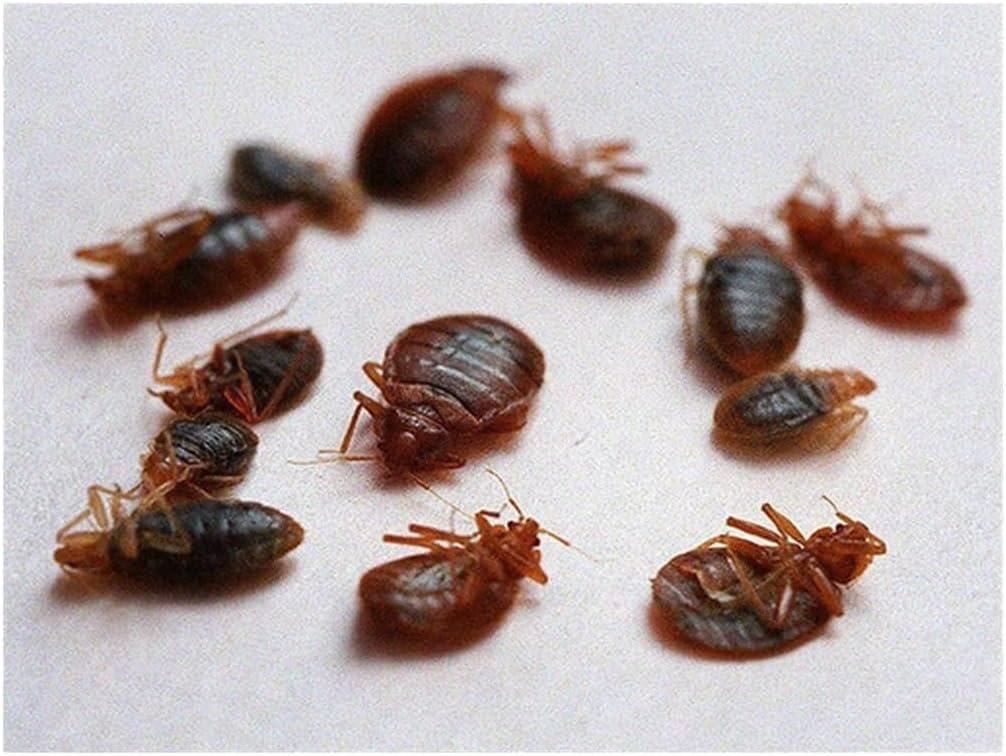
Khatmal bites and blood spots on your sheets are usually a sign of a colony living within a few metres of your pillow, and one spray will not end it. Bed bugs hide in cracks, their eggs survive most sprays, and most populations now tolerate common pyrethroid insecticides to some degree. The treatment that works combines bagging and hot laundry, vacuuming, a mattress encasement, interceptors under the bed legs and a targeted insecticide treatment, normally by a licensed company, repeated after 7 to 14 days.
By the end of this article you will be able to confirm that you really have bed bugs, work out how far they have spread, run a step by step plan with exact temperatures and timings, and know which products we sell are suitable, which are not, and when to stop and call a professional.
What is Khatmal?
Khatmal is the Urdu and Hindi name for the bed bug, Cimex lectularius. It is a wingless insect that lives on blood, mainly human blood, though it will also feed on pets, birds, rats and mice. It cannot fly or jump, and it rarely crawls far on its own. People carry it from place to place in luggage, laundry and used furniture. Gulf News has reported taxis, staff transport, laundry services and hotel rooms as UAE sources alongside used furniture.
Clean homes get bed bugs too. A bed bug is looking for a sleeping person, not for dirt, so a spotless flat with a guest who brought one suitcase is just as much at risk as an untidy one.
How Khatmal Looks Like
- Adult: about 5 to 6 mm long, the size of an apple seed. Oval, flat, reddish brown and wingless. After feeding it looks swollen and dull red.
- Nymph: from about 1.5 mm, yellowish white, and red after a feed. There are five stages, and each needs a blood meal before it can moult to the next.
- Egg: white, oval and about 1 mm long, stuck to the surface it was laid on.
Why it spreads so quickly, and why the science changes the treatment
Penn State Extension gives a useful set of numbers. A female can lay up to 5 eggs a day and about 500 in her lifetime. At room temperature eggs hatch in 5 to 10 days, though other university sources give up to 15 days. Adults feed for 10 to 15 minutes, usually every 3 to 4 days, and University of California sources put development from egg to adult at five weeks to four months, fastest between 21 and 28°C.
Three things follow from those numbers, and every step later in this article rests on them:
- Your air conditioning does not slow them down. 21 to 28°C is the range most UAE homes hold all year, so indoor bed bugs have no cool season here. Outdoor heat does not help either, because they never go outdoors by choice.
- One treatment always misses the eggs. Vacuums remove them poorly and contact sprays often miss them. That is why a follow up 7 to 14 days later, after the eggs have hatched, is part of the method and not a sign that the first visit failed.
- Leaving the flat empty does not starve them. Adults can survive 20 to 400 days without feeding, depending on temperature and humidity. Two weeks of summer leave will not clear a home. They will be waiting when you return.
Common Signs of Khatmal Infestation
Do not diagnose from bites alone. Reactions can appear a day or more after feeding, can last a week or longer, and some people do not react at all, so one person in a bed may have marks while the other has none. Bite marks look like many other insect bites. What confirms khatmal is the insect or what it leaves behind:
- Fecal spots: black or reddish black dots, like the mark of a felt pen, in mattress seams and on the bed frame.
- Blood spots: small red smears on sheets and pillowcases.
- Eggshells and shed skins: pale, papery and yellowish, near hiding places.
- Bite pattern: three or four welts in a row on skin left uncovered at night, such as the face, neck, arms and hands. Treat this as a reason to inspect, not as proof.
- Smell: a sweet, musty odour, which suggests a moderate to heavy infestation.
Is it really khatmal? A quick decision table
| What you see | Likely cause | What to do |
|---|---|---|
| Bites, plus black spots in mattress seams or live flat insects | Bed bugs | Start the plan below |
| Bites only, nothing found after a careful inspection | Unconfirmed. Could be bed bugs at low numbers, another insect or a skin condition | Fit interceptors for 2 weeks. Do not spray. See a doctor if the rash spreads or persists |
| Similar small bugs and pigeons or other birds nesting on the balcony, roof or AC unit | Possibly swallow or bat type bugs, which need magnification to separate from bed bugs | Have a pest professional identify a specimen and deal with the nest |
| Small brown insects in the kitchen, not the bedroom | Probably young cockroaches | Use our cockroach gel guide instead |
| Nobody has any bites, no insects, only one or two dark marks | Not enough evidence | Inspect again with a torch, and monitor before you buy anything |
How to inspect a room properly
Texas A&M puts about 70% of a typical infestation on the mattress, base and bed frame, so start there. Strip the bed and hold a torch almost flat to each surface, as Minnesota Extension suggests, because low light throws eggs and small nymphs into relief. Work through mattress seams and piping, the slats and joints of the frame, screw holes, the back of the headboard, then bedside tables with the drawers pulled out and turned over, skirting boards, curtain folds, picture frames and sofa seams. Bed bugs can also hide behind outlets, but leave electrical covers to a professional.
Interceptor cups under each bed leg are worth having before you spray anything. Penn State reports that visual inspection detected 72% of infestations, interceptors 89%, and the two together 99%. Without them you have no way to measure progress, so count what they catch each week. We do not stock interceptors or mattress encasements, so buy them from a bedding or hardware retailer, and choose encasements with tight zips sold for bed bugs.
In a flat, assume neighbours may be involved. Texas A&M advises treating the flats beside, above and below as infested until inspection shows otherwise, and in one study only half of residents with confirmed bed bugs knew or admitted it. Tell your landlord or building management early.
Khatmal ka Ilaj: Effective Treatments
The Texas A&M fact sheet puts it plainly: pesticides alone are not the answer. Each method below does a different job, and it is the combination that clears a home. Hiring a licensed company is the method universities recommend first. The steps below are also what the company will ask you to do before they arrive, and poor preparation is one of the main reasons treatments fail.
The khatmal plan, day by day
- Day 1, contain. Keep sleeping in the same bed. Moving to the sofa or a child’s room carries bugs with you and spreads them. Do not move belongings from room to room.
- Day 1, bag. Put bedding, clothing and fabric items into sealed plastic bags inside the room, and keep them sealed until they reach the machine.
- Day 1 to 2, heat the laundry. Wash at the hottest setting the fabric allows, then tumble dry on high for 30 minutes. The dryer does the killing, as washing alone may not kill every bug and egg. Keep clean laundry bagged until the home is clear.
- Day 2, vacuum. Use the crevice tool at full suction on seams, frame joints and skirting, without pressing hard enough to flick bugs away. Seal the bag, put it inside a second bag and take it outside the home straight away.
- Day 2, steam if you have the right machine. Surfaces need to reach 71 to 82°C. A commercial steamer with a floor or upholstery nozzle can do this. Minnesota Extension warns that carpet cleaners and clothes steamers do not get hot enough. Steam kills what it reaches, including eggs, so move slowly.
- Day 3, encase and isolate the bed. Fit zipped bed bug encasements on the mattress and base, and leave them on for at least a year, because trapped adults can live a long time. Pull the bed away from the wall, tuck in the sheets so nothing touches the floor, and stand the legs in interceptors.
- Day 3 to 7, insecticide treatment. A licensed company treats the bed frame, furniture joints, skirting and voids. See the chemical section below for what this means.
- Day 10 to 21, follow up. NC State Extension says additional treatments may be needed in 7 to 14 days, depending on the product, and a third or fourth if resistance is suspected or sites were missed. Live bugs a day or two after treatment do not by themselves mean it failed.
- Three weeks after the last treatment, judge the result. Minnesota Extension considers control likely after three weeks with no bites, live bugs, new fecal spots or shed skins after treatment ends. Keep interceptors in place and check them weekly.
Heat: the numbers that matter
| Method | Target | Time | Works for |
|---|---|---|---|
| Tumble dryer | High heat | 30 minutes | Clothing, bedding, soft toys, curtains, shoes at a setting the material allows |
| Steamer | Surface at 71 to 82°C | Slow pass; repeat as needed | Mattress seams, sofa seams, carpet edges |
| Whole room heat treatment by a licensed company | Room air typically 57 to 63°C | 6 to 8 hours | Whole rooms, with no lasting protection after the heat ends |
| Deep freezer | At or below minus 18°C at the centre of the item | At least 4 days | Books, shoes, some toys. Not phones, laptops or LCD screens |
| Sealed bag with no treatment | None | 2 to 5 months, and up to a year is possible | Items you can live without |
Minnesota Extension gives 48°C for 90 minutes, or 50°C at once, as what kills bugs and eggs. Those figures must be reached inside the item, not merely in the air around it.
The UAE sun bag method, and its limits
The UAE pages we read do not mention this, and it suits our summer. Texas A&M reports that about 3 kg of items in clear plastic bags, in direct sun on a 35°C day, gets hot enough to kill all stages in one afternoon. In the hottest months, roughly June to September, a roof or sunny balcony can do this for suitcases, shoes and bags that cannot go in a dryer. Three cautions apply:
- Use clear plastic. Minnesota Extension warns that items wrapped in black plastic in the sun do not get hot enough.
- Keep the load small and loose, turn it once, and put a cheap thermometer in the middle. If the centre has not held 50°C, treat it as not done.
- In the cooler months daytime temperatures usually fall short of this, so do not rely on the method then. In the months between, trust the thermometer and not the calendar. Never use a closed car, because you cannot see the temperature at the centre of the load.
Khatmal Powder
Desiccant dusts such as insecticide grade diatomaceous earth and silica aerogel work by drying the insect out. That is a physical action rather than a nerve poison, which makes dusts a useful partner to sprays in voids behind skirting and inside furniture joints. Apply lightly with a small paint brush. Use only insecticide grade product, as pool filter diatomaceous earth is dangerous to breathe.
We do not currently have a suitable dust in stock for home use. Blucyp DP Plus is out of stock, and Triform Polvere is a restricted use pesticide for certified applicators, so we do not recommend it for home use.
Home Remedies for Khatmal
- Steam and hot laundry: these are the home remedies with the strongest evidence, and you have the details above.
- Diatomaceous earth: useful, slow and easy to overuse. See above.
- Rubbing alcohol: only partly effective, does not reliably kill eggs, and is flammable. Minnesota Extension says not to use it.
- Kerosene and petrol: never. Both are serious fire hazards in a bedroom.
- Tea tree oil, vinegar, neem leaves and naphthalene balls: we found no university source that shows these clear an infestation, so we no longer list tea tree oil as a remedy in this article.
- Throwing away the mattress: usually wasted money. New beds are quickly reinfested if the room has not been treated, and dragging the old one through the building can spread bugs along the way. If you must discard something, wrap it in plastic first and make it unusable so nobody takes it home.
How to Prevent Khatmal Infestations
- Check luggage after every trip. Keep suitcases off the bed in hotels, and inspect the headboard and mattress seams when you arrive. After travel, put clothes straight through the dryer.
- Inspect anything second hand. Used beds, sofas and wardrobes from online sellers need a torch check on the seams and joints before they come through the door. Do not take furniture left beside bins.
- Fit encasements in guest rooms. Rooms used by visitors are an obvious place for a first introduction, and a smooth light encasement makes spots easy to see.
- Keep under the bed empty. Storage boxes give bugs shelter and block inspection.
- Seal gaps around skirting and pipe entries, especially in shared walls between flats.
- Leave one set of interceptors in place after any infestation. They are cheap early warning, and no current method reliably prevents reinfestation.
A UAE Khatmal Calendar
Bed bugs do not follow the seasons here, but people do, and that decides your risk and your options.
| Time of year | What is happening | What to do |
|---|---|---|
| October to December | Families and staff are back from long trips and visitors arrive | Inspect luggage on arrival and run clothes through the dryer. Check guest beds before and after each stay |
| January to April | Cooler weather. The sun bag method is unreliable | Use the dryer and freezer for items. Book any deep clean or furniture moves now, while it is comfortable to have windows open after treatment |
| May to June | Heat builds and the school year ends | Treat any active problem before you travel. An empty flat does not starve bed bugs |
| July to September | Peak heat and peak travel. Sun bags can work on clear days | Bag and sun treat suitcases, shoes and backpacks when you return. Keep interceptors in place while away so you can read them when you get back |
Different homes, different plans
- Apartment: tell building management and ask them to check adjoining flats. Treating one flat alone risks reinfestation from next door.
- Villa: usually one or two bedrooms to start with. Check maid’s rooms, driver’s rooms and guest rooms too, and any sofa that has moved between rooms.
- Staff accommodation: shift workers sharing a bed mean the bed is never empty and bugs feed constantly. Treat every room on the corridor at once and get a contract with follow up visits. Bunks with many joints need particular care.
- Hotel, rental or serviced apartment: interceptors and regular inspection of each room, plus a procedure for isolating a room on the first report.
Khatmal Chemical Treatments
Insecticide is one layer of the plan, and the honest position has three parts.
First, Minnesota Extension says over the counter sprays are not effective against bed bugs and that garden or agricultural pesticides must not be used indoors. Texas A&M says most bed bugs are resistant to pyrethroid sprays to some degree, and University of California sources note resistance is growing. Every product in the table below with a named active ingredient is a pyrethroid based spray, so a bottle alone is unlikely to solve this.
Second, foggers and bug bombs are not a shortcut. The university sources we read say they do not work on bed bugs, because the mist does not reach the cracks, and Minnesota Extension adds flammability and exposure risks.
Third, the most serious warning for UAE residents. Never let anyone treat your home with fumigant tablets or “bombs”. Aluminium phosphide has been banned from public sale in the UAE since 2009, and in a case reported from Sharjah a 10 year old boy died after police said a neighbour had fumigated their home and the fumes seemingly spread through the air conditioning vents. Sharjah Municipality told residents to use only licensed companies, to ask to see the licence, and not to trust notices left on doors. If someone offers you a cheap tablet treatment, refuse and report it to your municipality.
Why synergists matter
Some resistant bed bugs survive pyrethroids because their enzymes break the chemical down before it does its work. Piperonyl butoxide (PBO) blocks some of those enzymes. In University of Kentucky research PBO made deltamethrin far more toxic to two highly resistant field strains, but they stayed resistant: both started above 2,500 fold resistance and still measured 39 to 174 fold after PBO. In a formulated product the extra effect showed in one strain and not the other, and the authors concluded PBO is not a complete solution. Treat a synergist as a possible help, not a guarantee.
Products compared
| Product | Active and strength | Pack | Use | Rate for bed bugs on page | Re-entry on page | Who it suits |
|---|---|---|---|---|---|---|
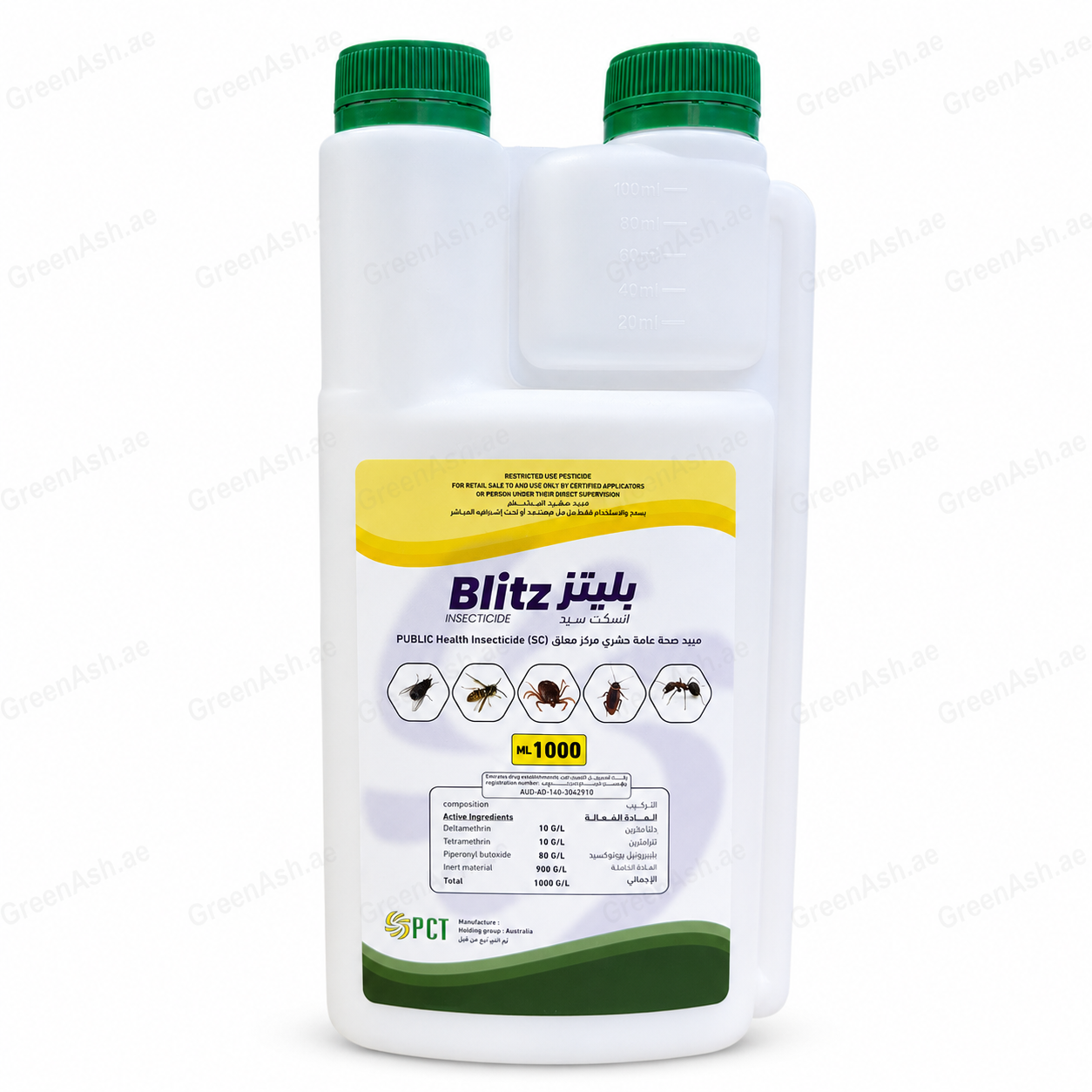
| Blitz SC | Deltamethrin 10 g/L, tetramethrin 10 g/L, PBO 80 g/L | 1 L | Harbourage spray, trained personnel | 15 ml per litre | Not stated. Check label | Trained applicators, hotels and accommodation teams |
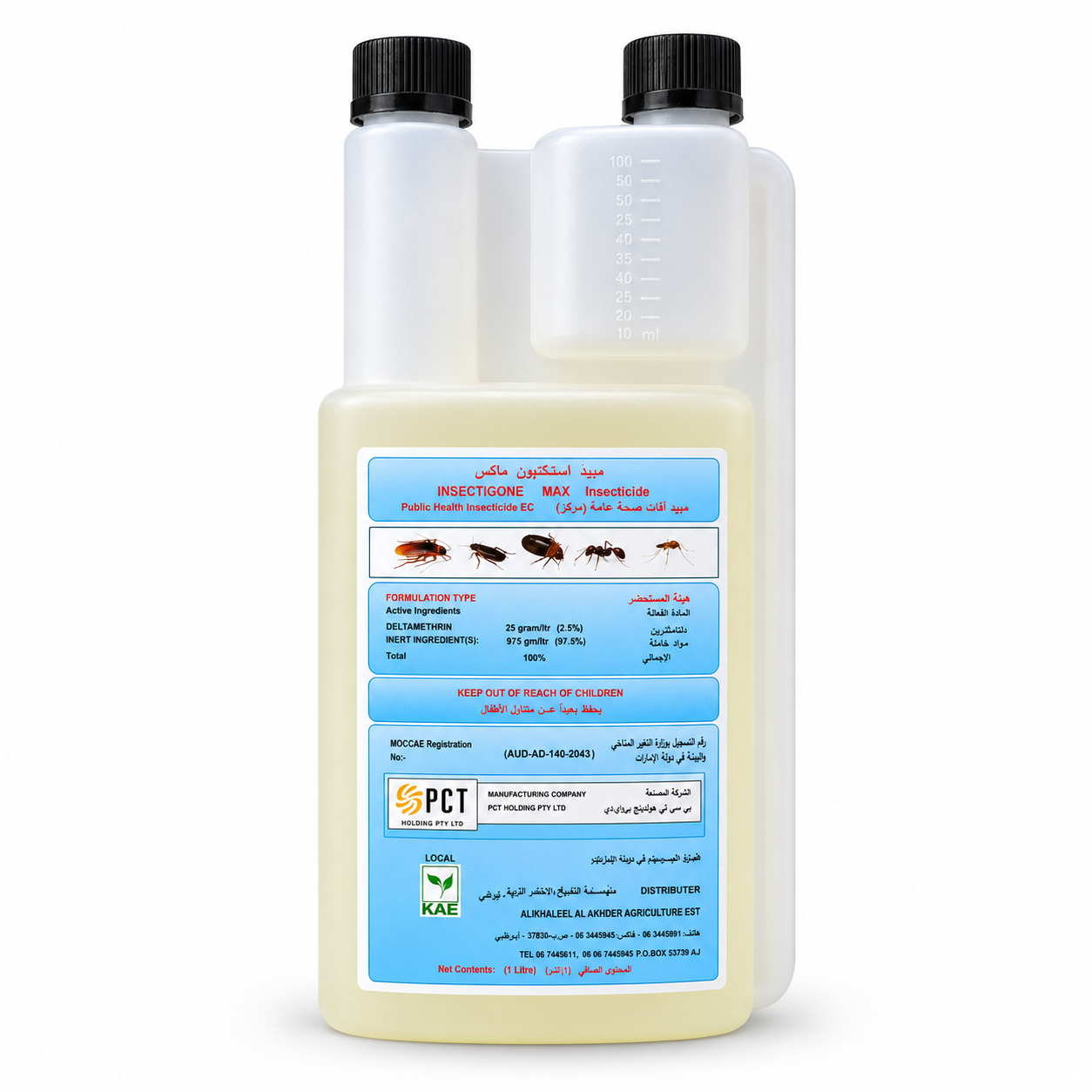
| Insectigone Max EC | Deltamethrin 25 g/L | 1 L | Low pressure spray, trained personnel | 30 ml per 10 L | Ventilate after treatment. No time stated | Trained applicators who want a single active |
| Proteo Cap Green M.S.C | Deltamethrin 2.5% microcapsule | 1 L | Surface spray | Page gives 5 ml per litre and also 50 ml per 5 L. Confirm on the label | Not stated | Professional users, once the label rate is confirmed |
| Bed Bug and Insects Khatmal Product | Not stated on the page | Not stated | Not stated | Not stated | Not stated | Read the pack first. See note below |
None of these is a food crop product, so no harvest interval applies. Do not use any of them on plants or crops.
Worked mixing examples
These are calculated only from the rates on our product pages. If your bottle’s label says something different, the label wins.
| Product and page rate | 1 L hand sprayer | 5 L sprayer | 16 L knapsack |
|---|---|---|---|
| Blitz SC, 15 ml per litre | 15 ml | 75 ml | 240 ml |
| Insectigone Max EC, 30 ml per 10 L (3 ml per litre) | 3 ml | 15 ml | 48 ml |
The 16 L figures are for commercial buildings. A flat needs a small sprayer and a small mix, as bed bug treatment is crack and crevice work, not a floor spray. Mix only what you will use that day.
What about the Khatmal Killer spray?
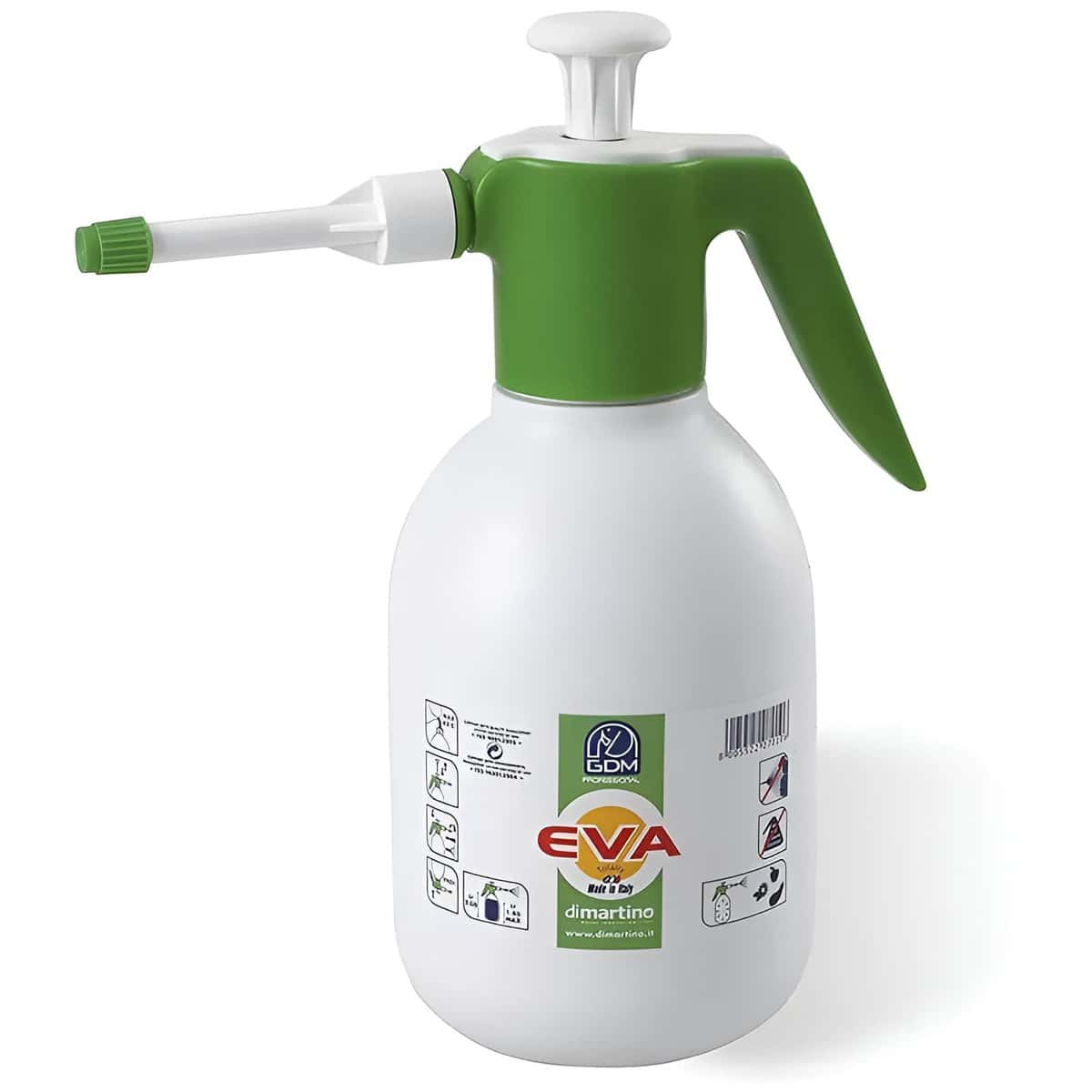
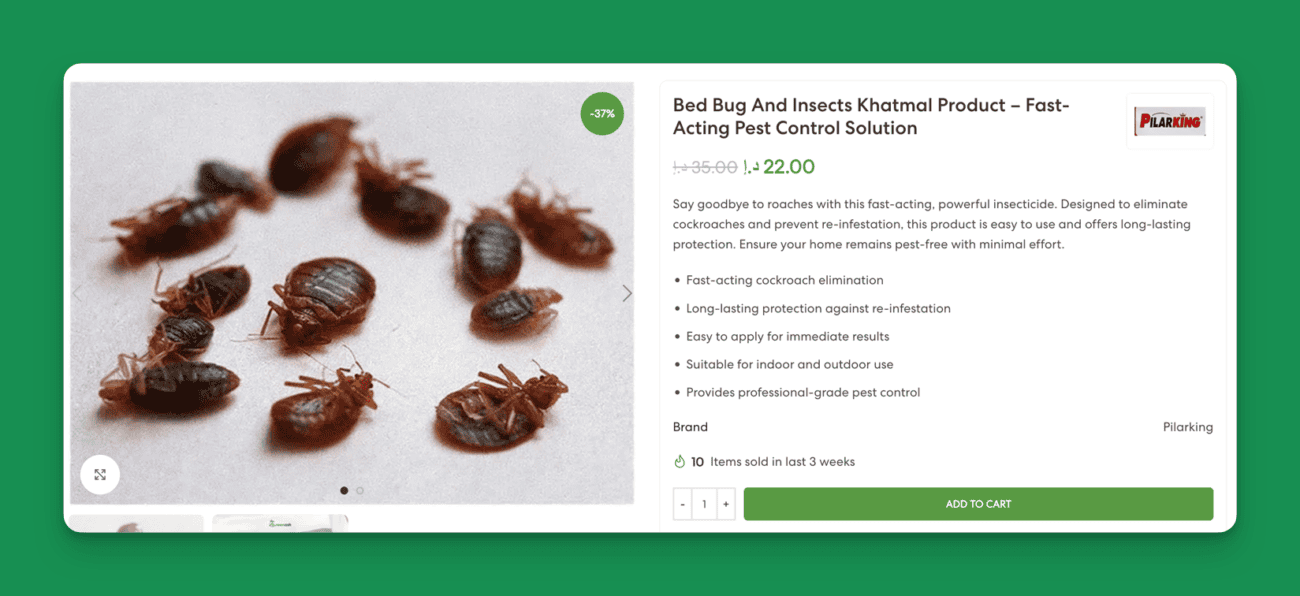
Earlier versions of this article recommended the product below as the best spray. We have changed that advice after checking its page, which names no active ingredient, gives no directions or rate, and mostly describes cockroaches. Until those details are confirmed from the pack, we cannot say how it performs on bed bugs. If you already have it, read the label for the active ingredient, whether bed bugs are listed, and indoor directions before using it, and never spray it on a mattress.
Products we do not recommend for khatmal at home
- Crop insecticides sold with a bed bug name. Thiamethoxam and imidacloprid crop products are made for plants. Minnesota Extension is clear that garden and agricultural insecticides should not be used in your home, so keep them out of the bedroom whatever the listing says.
- Restricted use products such as Syngenta Tandem, TREND 103 and Triform Polvere. Their pages limit them to certified applicators or people under their direct supervision.
Safety when insecticide is used
- Protective equipment: gloves, long sleeves, eye protection, and the respirator or other equipment the label requires.
- Never treat: sheets, pillows, mattress sleeping surfaces, clothing, people or pets. Penn State says insecticides should not go on surfaces with direct human contact.
- Re-entry: stay out until the product has dried or the technician says it is safe, then ventilate. Children and pets stay out during treatment.
- Pets and fish: deltamethrin can cause drooling, vomiting, incoordination and tremors in dogs and cats that eat enough of it, and it is toxic to fish. Remove or cover aquariums, and keep animal bedding, bowls and food away.
- Bees and drains: keep concentrate and rinse water away from drains, ponds and gardens in flower.
- If it touches skin: wash with soap and water. Tingling or numbness is a known deltamethrin effect. If someone swallows it or feels unwell, get medical help and take the label with you.
- Storage and disposal: keep it in the original closed container, in a cool, locked place away from food and out of direct sun. Follow local rules for empty containers and never reuse them.
Common Mistakes with Khatmal
- Spraying the mattress. It exposes sleepers and misses the frame and furniture. Encase the mattress instead.
- Moving to another room. Bugs follow people. You end up with two infested rooms.
- Stopping after one treatment. Eggs hatch after the first visit, so plan on at least two.
- Using a bug bomb. It misses the cracks where bugs hide. Use targeted treatment.
- Washing without drying. A warm wash alone may not kill everything. Thirty minutes on high in the dryer is the reliable step.
- Buying a new bed first. A new mattress in an infested room is soon infested. Treat the room, then decide.
- Mixing a stronger solution. It adds risk without beating resistance, and it breaks the label. Follow the rate.
- Ignoring the neighbours. In shared buildings, untreated flats keep supplying new bugs.
If It Did Not Work: Troubleshooting
First, ask whether it really failed. Dead bugs in interceptors and a falling weekly count mean it is working. Bugs a day or two after a spray are normal.
- Still bitten after three weeks with the bed isolated? Look for a bridge: bedding on the floor, a bed touching the wall, a bag or chair beside the bed, or a torn encasement.
- Interceptors still catching after two treatments? Suspect resistance or missed sites. Ask your company for a different mode of action, a dust in voids or heat treatment.
- Bugs in a newly cleared room? Check for a source next door, a sofa or a chair that was never treated.
- Clear for months, then bugs again? Probably a new introduction. Check recent travel, visitors and used furniture.
Call a professional straight away if there are bugs in more than one room, you are in a flat or shared accommodation, someone in the home is pregnant, elderly, has a young baby or has breathing problems, or your own efforts have not reduced the weekly catch in three weeks. In Dubai you can ask the Dubai Municipality Public Health Pest Control Section on 800900 about approved companies, and Sharjah Municipality also publishes a list of licensed companies. Ask to see the licence, and ask which active ingredient will be used.
See a doctor if bites become infected, a rash spreads, or the itching stops you sleeping. University sources say bed bugs have not been shown to transmit human disease, but scratching can infect the skin. Do not apply pesticide to your body.
Khatmal in Different Languages
The UAE is multicultural, so it helps to know what others in your building may call the same insect:
- Khatmal in Hindi to English: bed bug
- Khatmal in Tamil: மூட்டைப்பூச்சி (moottai poochi)
- Khatmal in Urdu: کھٹمل
- Khatmal meaning in Urdu: خون چوسنے والا کیڑا (blood-sucking insect)
- Khatmal meaning in Hindi: खटमल (bed bug)
- Bed bug in Arabic: بق الفراش (baq al-firash)
Frequently Asked Questions (FAQs)
1. What is the English name for khatmal?
The khatmal English name is bed bug. The species found in homes is usually Cimex lectularius.
2. How to use khatmal powder?
Use only a powder whose label lists bed bugs and indoor use. Brush a barely visible film into cracks, frame joints and voids, not on the mattress or sleeping surfaces. Keep it dry, and do not pile it up. Powder is a slow, supporting tool, not a cure on its own.
3. What is the best khatmal killer spray?
No spray solves this alone, because resistance is common and eggs survive. For trained applicators, Blitz SC is our pick because it has a synergist and its page gives a bed bug rate. For a home, a licensed company plus the steps in this article is the better choice than any bottle.
4. How to remove khatmal permanently?
Combine hot laundry, vacuuming, encasements, interceptors and a targeted treatment repeated after 7 to 14 days, and then keep monitoring. No method prevents reinfestation, so check luggage and used furniture from then on.
5. How long does it take to get rid of bed bugs?
Plan on at least 5 to 6 weeks for a small infestation, and longer in a flat with neighbours involved, because you need three clear weeks after the last treatment before you consider it done.
6. Does AC or cold weather kill khatmal?
No. Normal air conditioning keeps them in their comfortable range. Killing them with cold needs minus 18°C held for at least 4 days, so a domestic deep freezer works only for small items.
7. Can khatmal live in sofas, cars and clothes?
Yes. Sofas and sofa beds are the next most common site after beds. Clothes and bags carry them between homes. A car is possible if infested items travel in it, and treating it needs a professional, as sprays and heat can damage the interior.
8. Should I throw away my mattress?
Usually not. Encase it for at least a year instead. Replace it only if it is torn or badly stained, and only after the room has been treated.
Start Tonight
Strip the bed, search the seams with a torch, and bag what you find before anything else. If you confirm khatmal in a flat or shared building, call a licensed company and get the bed ready using the plan above. Trained applicators can choose equipment with our sprayer guide and the wider pest control range, and our guide to reading an insecticide label explains the terms on the pack. For university detail, see Minnesota Extension, Penn State Extension, NC State Extension and Texas A&M AgriLife.